


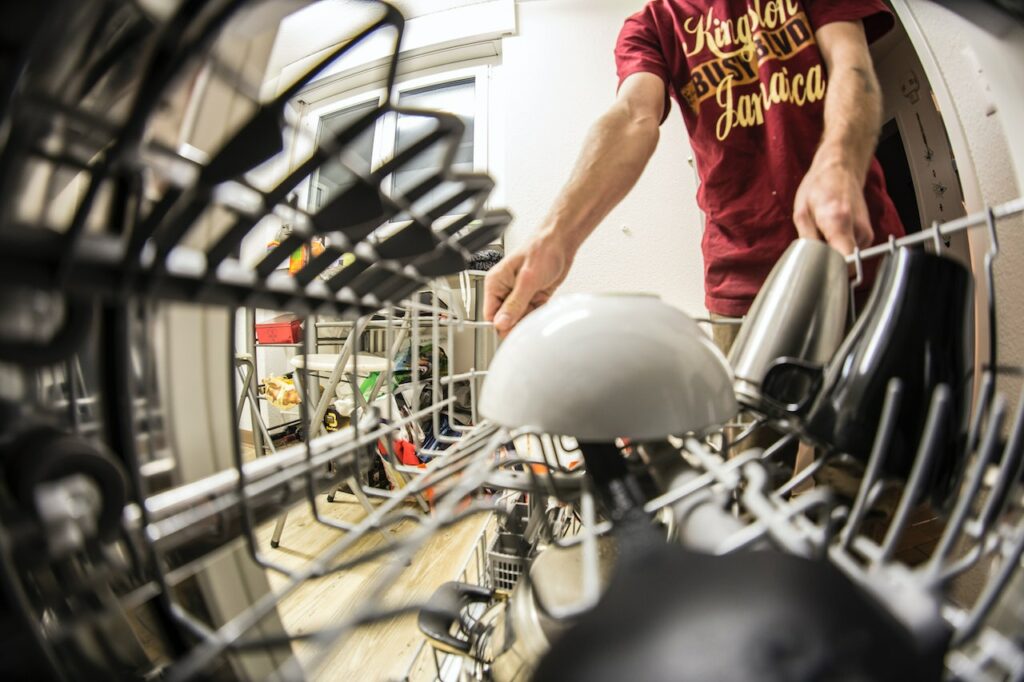
Find Out How Much Energy Your Dishwasher Uses and Simple Ways to Reduce It
Are you looking for ways to reduce your energy consumption and save money? Dishwashers are becoming increasingly popular in households worldwide, but how much energy do they use? In this article, we’ll explore how size and design affect how much power a dishwasher consumes. We’ll look at simple tips on reducing power consumption when running a dishwasher and ensuring it runs efficiently. Plus, find out how eco-friendly detergents can also help minimise energy usage! Read on to learn more about how much energy a dishwasher use and what you can do to keep your bills low while getting sparkling clean dishes.
What is the Typical Energy Consumption of a Dishwasher?
On average, dishwashers consume between 1.5 and 3 kWh of electricity per cycle. This breaks down to approximately 925 watts for a standard one-hour cycle. It costs around $0.12 to operate your dishwasher for one full cycle based on a national average electricity rate of 13 cents per kWh.
However, these numbers can vary depending on the size and efficiency of your specific model. Larger capacity and more efficient models may consume less energy per cycle than smaller or older units with minimal efficiency ratings. Different settings or modes on your unit can also influence its total energy consumption for each cycle.
The Impact of Pre-Washing Dishes Before Putting them in the Dishwasher
Pre-washing dishes before loading them into the dishwasher has long been touted as an effective way to conserve water and energy when cleaning dishes by hand instead of using a machine. But what about when you combine pre-washing with using a dishwasher? Do pre-washing dishes have any impact on energy savings?
Studies have shown that pre-rinsing dishes before putting them in the dishwasher can lead to greater energy use over time due to prolonged cycles caused by clogged filters and decreased effectiveness due to grease buildup in the machine’s interior. While pre-rinsing may help prevent food particles from sticking to plates and other items, the additional heat needed to remove grease residue while running longer cycles ultimately leads to increased energy usage compared to using detergent alone during regular cycles without pre-rinsing beforehand.
Tips for Reducing Your Dishwasher’s Energy Usage
There are several simple steps you can take to reduce your dishwasher’s overall energy usage:
- Run full loads whenever possible – Instead of running multiple small loads with only partial dishes in each one, try running fewer but fuller loads as often as possible instead since most machines use roughly the same amount of water regardless of how much is inside it during each cycle.
- Choose shorter cycles – Longer cycles tend to use more water and thus require more heating which leads to higher energy costs overall, so opt for shorter but more frequent cycles as needed instead, depending on soil levels present on items inside each load (e.g., light/normal vs heavy).
- Choose air dry options – Selecting “air dry” options will help reduce electricity usage since fans are used to dry items rather than heated elements which require more power consumption (note: some models may not have this option, so check first).
- Clean internal parts regularly – Doing so not only helps improve performance but also reduces strain on motors which leads indirectly towards conserving energy through better efficiency ratings overall (tip: follow manufacturer instructions or contact customer service for information specifically towards maintenance needs).
- Rinse off food debris – Removing visible food debris from plates before loading them into the machine will help keep filter systems free from blockages which keep motors from having to work harder, thereby preserving power output over time (i.e., faster cycles due to less resistance encountered by moving parts).
Conclusion
In conclusion, understanding how much electricity/energy your specific dishwasher uses (as well as factors that influence consumption) can help you find ways to use it more efficiently while still getting great results with every wash cycle you run through daily! By following some simple guidelines like selecting shorter cycles when appropriate and cleaning internal parts regularly, you’ll be able to take advantage of all that modern technology has offered while still conserving power at home!
If you want to reduce your dishwasher’s energy consumption and ensure it runs efficiently, check out Warmbox.co.uk! They offer a range of eco-friendly detergents designed to help minimize energy usage while providing superior cleaning power simultaneously! Don’t settle for anything less than the best – try Warmbox products today and see how they can help you save on energy costs while making your dishes sparkle!